Your Garage Door Motor May Be Showing Signs of Wear Before It Stops Working
Most homeowners assume that their garage door motor is working properly as long as the door still opens and closes.
As a result, many people only realise there is a problem when the opener stops working completely.
However, a garage door opener can show early signs of wear long before it fails completely.
Changes in chain tension, unusual movement or noise, and gradual changes in the door’s opening and closing position can all indicate that the opener or its drive components may be wearing out.
Identifying these signs early can sometimes prevent a complete failure and help you decide whether a repair or replacement is the more sensible option.
Common Garage Door Opener Brands in New Zealand
Many different garage door opener brands have been installed in New Zealand homes over the years, including:
- Merlin
- Dominator
- Guardian
- DoorWorks
- Windsor
- B&D
- Garador
- BFT
- ATA / SecuraLift
- Chamberlain
- Parker
- TRV300
- Tilt-A-Matic
- Conquerer
- Defender
- Gliderol
Some of these brands and models are no longer manufactured, while others have been replaced by newer generations of openers.
Because of this, the age, model and availability of replacement parts are important factors when deciding whether an older opener should be repaired or replaced.
How Long Does a Garage Door Motor Last?
The service life of a garage door opener can vary considerably depending on the brand, model, drive system, installation, frequency of use and maintenance.
Depending on the particular opener, service life can range from approximately 10 to 30 years.
An older, well-maintained opener may continue working for many years, while another opener of a similar age may already be showing significant wear.
For this reason, age alone does not determine whether an opener needs to be replaced. The condition of the motor and the availability and cost of replacement parts should also be considered.
Older Chain-Drive Openers
Older chain-drive garage door openers are still found in many New Zealand homes.
Two common problems we see with ageing chain-drive openers are:
1. Control Board Failure
A faulty control board can cause the opener to behave unpredictably or stop operating altogether.
Typical symptoms may include:
- The motor does not respond when the remote is pressed
- Lights flash but the motor does not operate correctly
- The opener starts and then stops
- The door operates intermittently
- The opener does not respond consistently to commands
This type of problem is usually relatively easy for a technician to identify because the symptoms are quite obvious.
2. Gear Shaft and Sprocket Wear
Gear shaft wear is different because it usually develops gradually over many years.
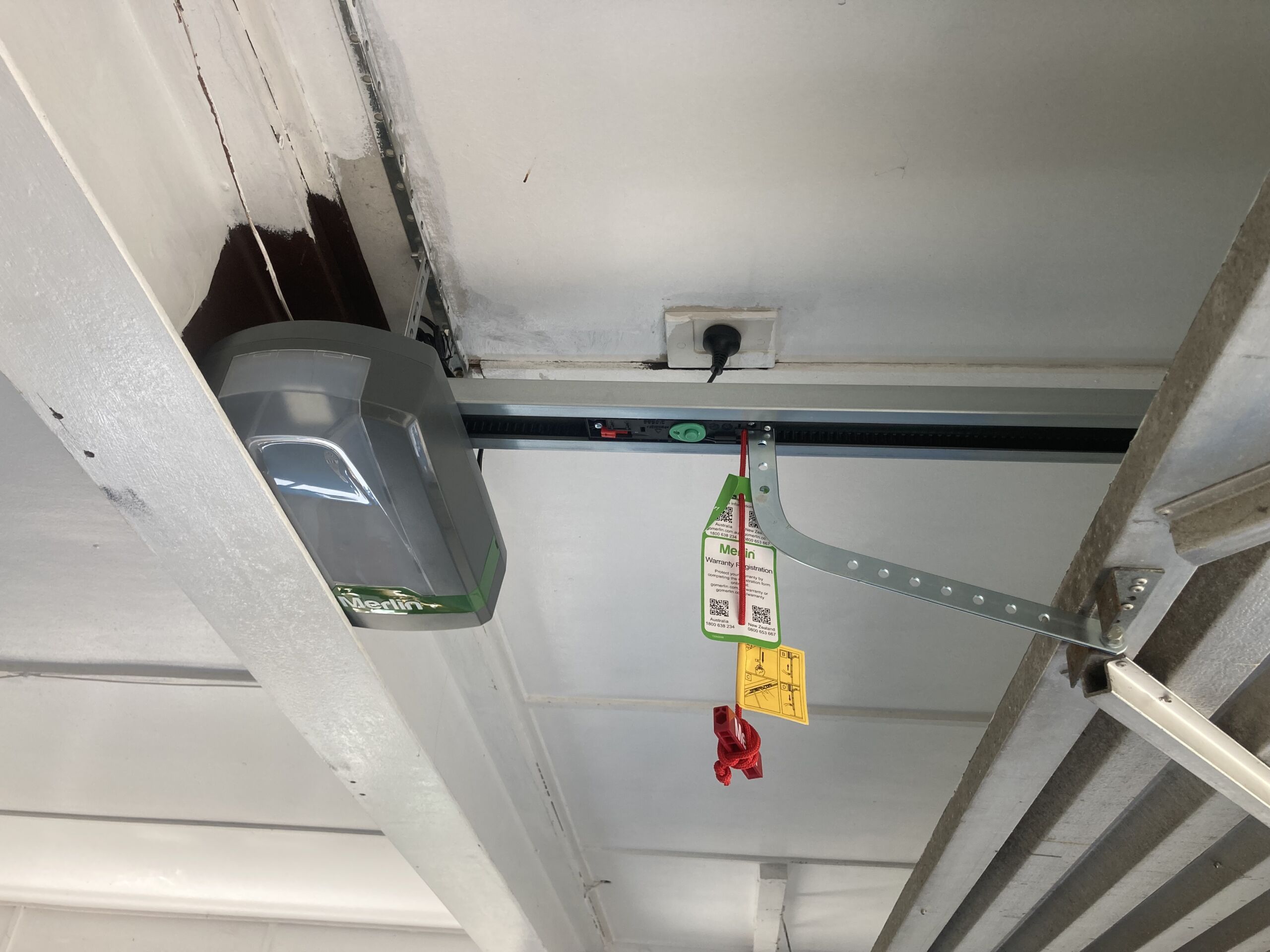
In a traditional chain-drive opener, the motor and gearbox turn a shaft connected to the drive sprocket. The sprocket engages with the chain and transfers the motor’s movement to the door.
As the shaft, gears, bearings or related drive components wear, the drive assembly can develop excessive movement or run out of alignment.
One of the easiest signs for a homeowner to notice is a change in chain tension.
If the chain appears significantly looser than it used to be, particularly when compared with its original condition, this may indicate wear in the drive mechanism or a change in the position/alignment of the drive shaft and sprocket.
Chain wear itself can also contribute to increased slack, so a proper inspection is required to identify the actual cause.
Has Your Garage Door’s Opening or Closing Position Changed?
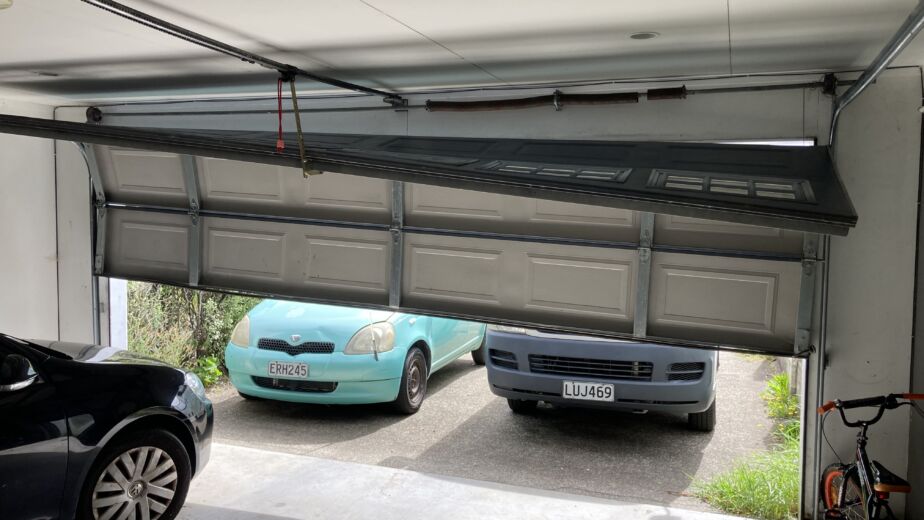
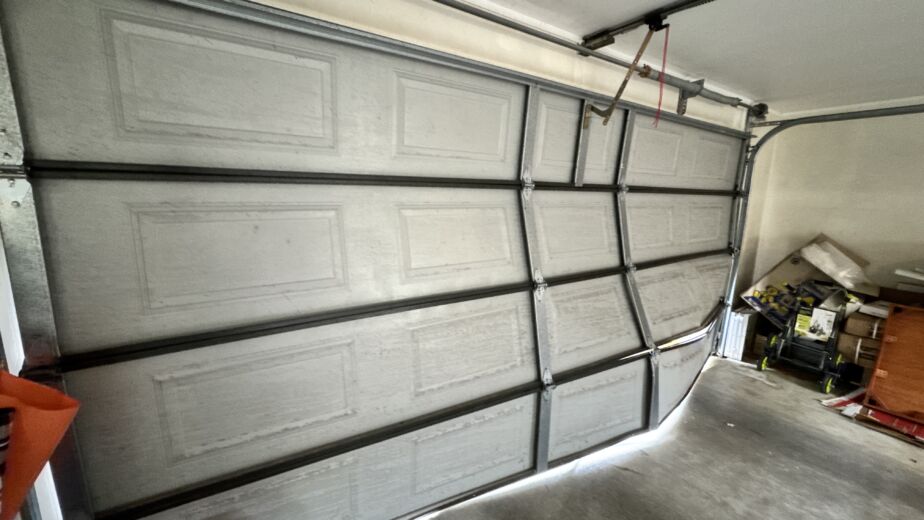
Another useful warning sign is a gradual change in the door’s opening and closing limit positions.
When an opener is correctly set up, the door should consistently stop at approximately the same fully-open and fully-closed positions.
If you notice that:
- The door no longer opens as far as it used to
- The door closes further than its original position
- The door stops slightly short of the floor
- The closing position has gradually changed
- The door appears to move differently near the end of its travel
this can indicate a problem with the opener’s drive mechanism, limit system, door balance or the mechanical relationship between the opener and the door.
On older chain-drive systems, wear in the drive shaft, gears or sprocket assembly can allow movement or positional changes within the drive system.
The opener may therefore reach a slightly different mechanical position even though the original settings have not intentionally been changed.
Why Does My Garage Door Close and Then Open Again?
One of the common questions we receive is:
“The garage door closes, but then it opens again. What’s wrong?”
There are several possible causes, including obstruction detection, incorrect limit settings, door resistance, track problems, sensor issues or an imbalance in the door.
In some cases, the door is travelling slightly beyond its intended closing position because of a change in the mechanical system or incorrect limit adjustment.
The opener can detect this as an abnormal closing condition and activate its safety reverse function, causing the door to reopen.
This is why a door that repeatedly closes and then immediately reopens should not automatically be diagnosed as a faulty motor. The door, tracks, springs, cables, limits and safety system should all be checked.
Should an Older Motor Be Repaired or Replaced?
If an older opener is 15 years or more, we will generally assess whether repairing the existing unit is economically sensible.
Older or discontinued models can present several problems:
- Replacement parts may no longer be available
- Parts may need to be sourced specially
- Control boards can be expensive
- Other components may already be approaching the end of their service life
- Repairing one component may simply reveal another worn component shortly afterwards
In these situations, repairing an old opener can sometimes cost more than expected without providing the reliability of a new system.
For this reason, depending on the condition of the opener and the available parts, replacement may be a more practical long-term option than repair.
Belt-Drive Openers Under 10 Years Old
Modern belt-drive openers generally use a different drive system and are often quieter and smoother than older chain-drive systems.
For belt-drive openers less than approximately 10 years old, two problems we commonly investigate are:
1. Control Board Failure
As with older openers, a faulty control board can cause:
- No response
- Flashing lights
- Intermittent operation
- The motor starting and stopping unexpectedly
- Failure to complete an opening or closing cycle
A faulty control board can often be diagnosed relatively quickly.
However, control boards can be an expensive replacement component, so the repair cost needs to be considered against the overall age and condition of the opener.
2. Rail Shaft Adaptor Wear
Many belt-drive systems use an adaptor or coupling between the motor unit and the belt rail assembly.
Over time, this component can wear.
When the adaptor becomes worn, the connection between the motor and rail can begin to slip under load.
Typical symptoms can include:
- The motor runs but the door does not move correctly
- The motor appears to run normally but the belt slips
- The door starts moving and then stops
- Unusual clicking or slipping sounds
- Inconsistent door movement
The good news is that on many newer belt-drive systems, replacement parts are still relatively easy to obtain and the repair can be considerably simpler than repairing an older discontinued opener.
Repair or Replace?
For an opener under approximately 10 years old, repair is often a realistic option, provided the main motor and drive system are otherwise in good condition.
However, the decision depends on:
- The exact brand and model
- The age of the opener
- The availability of parts
- The cost of the replacement part
- Labour required for the repair
- The condition of the door itself
- The expected remaining service life of the opener
For example, a relatively young opener with a simple mechanical component failure may be worth repairing, while an expensive control-board failure on a lower-quality or heavily worn unit may make replacement a better long-term option.
Don’t Wait Until Your Motor Stops Completely
Your garage door opener does not necessarily need to stop working before it needs attention.
If you notice:
- A loose or unusually slack chain
- New or unusual motor noise
- Increased vibration
- Changes in the opening or closing position
- The door closing and immediately reopening
- Slipping during operation
- Intermittent operation
- The motor sounding different from normal
it is worth having the opener inspected.
Early diagnosis can help determine whether the problem is with the motor, drive mechanism, door balance, springs, cables, tracks or safety system.
Eden Garage Doors – Motor Inspection, Repair or Replacement
If you are unsure whether your garage door motor needs to be repaired or replaced, contact Eden Garage Doors-Merlin.
We can inspect the opener and the garage door system, identify the likely cause of the problem and assess the condition and age of the motor.
Based on the inspection, we can recommend some products whether repair or replacement is the more appropriate option and provide a quote before proceeding.
For older motors, we can also check whether replacement parts are still available and whether repairing the existing unit is economically worthwhile.
A garage door motor does not have to completely fail before it needs attention. If you notice a change in the way your door operates, an early inspection can help identify the problem before you are left with a door that will not open or close.