Why Is Garage Door Maintenance Important?
A garage door is one of the largest moving systems in your home and may be operated thousands of times over its lifetime.
Every time the door opens and closes, components such as torsion springs, lifting cables, rollers, hinges, bearings and tracks are subjected to load and movement. Over time, these components can lose tension, wear, loosen or become misaligned.
Regular maintenance helps identify these issues before they develop into a sudden breakdown, off-track door or more expensive repair.
How Often Should a Garage Door Be Serviced?
There is no single service interval that applies to every garage door.
The recommended frequency depends on the age of the door, how often it is used, the type of door and its operating environment.
As a general guide, we recommend having your garage door inspected and serviced approximately every 2–3 years.
Older doors or doors that are used frequently may benefit from more frequent inspections.
A maintenance inspection can identify early signs of wear and allow adjustments to be made before a component fails.
Spring Tension and Door Balance
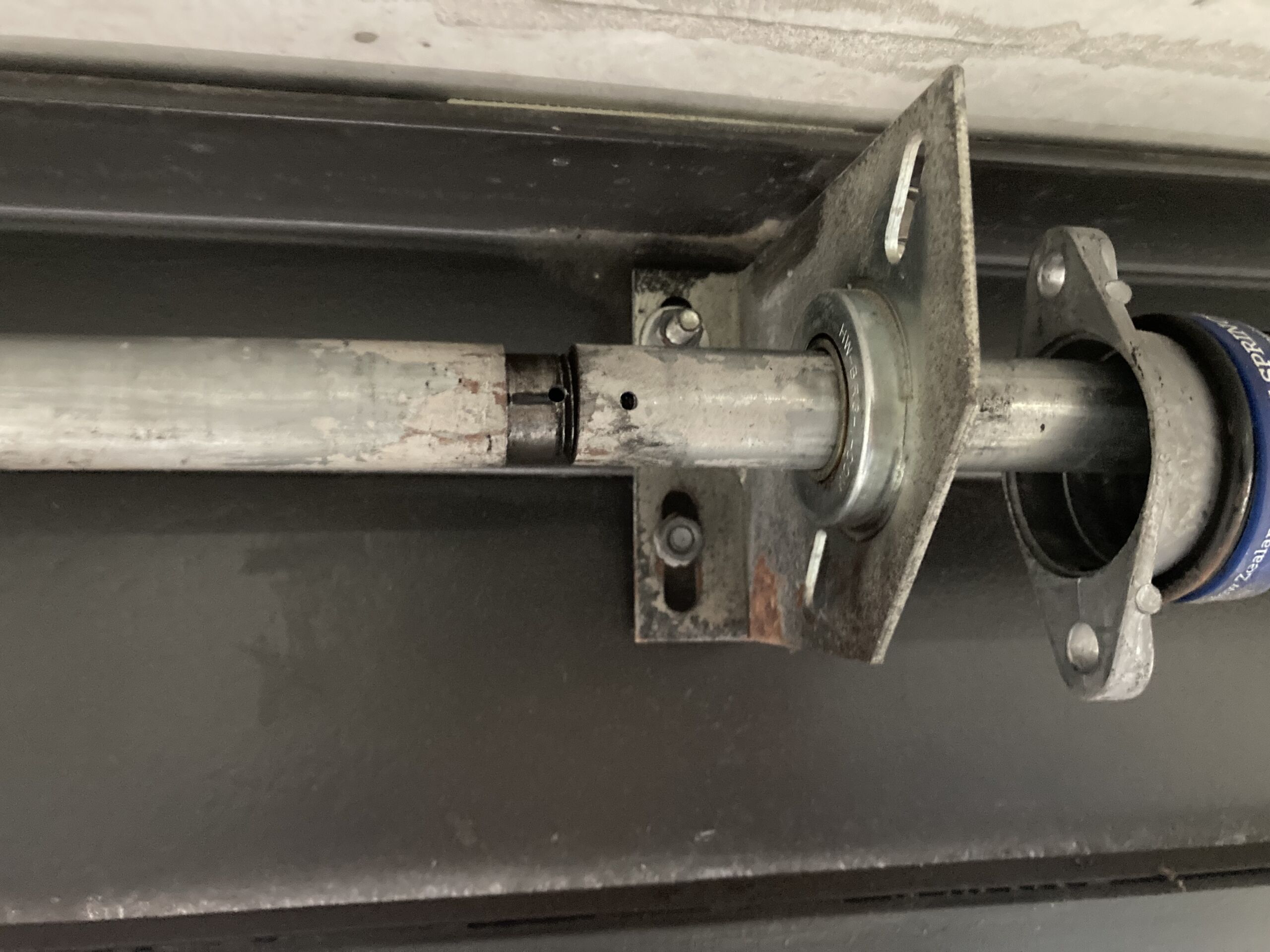
The torsion spring is one of the most important components of a garage door lifting system.
It stores mechanical energy and counterbalances the weight of the door, allowing the opener to move the door safely and smoothly.
Over time and repeated use, the spring gradually loses some of its tension. As spring tension decreases, the door can become heavier and the lifting system may become less balanced.
A correctly balanced garage door should be relatively easy to lift manually and should remain reasonably stable when partially opened.
During maintenance, we check the spring condition, spring tension and overall door balance and adjust the spring tension where required.
Checking Lifting Cables
The lifting cables work together with the torsion spring and cable drums to lift and balance the door.
When spring tension becomes too low, cable tension can also decrease. This can allow a cable to become loose or move out of its correct position on the drum.
If a cable comes off the drum, the door can become uneven and may go off-track.
For this reason, checking the cable condition, tension and position on the drums is an important part of regular garage door maintenance.
We also check for signs of fraying, corrosion, kinks or other damage that may indicate the cable is approaching the end of its service life.
Rollers, Hinges, Bearings and Tracks
Other moving components also gradually wear through normal use.
During a maintenance inspection, we check:
- Rollers – for wear, cracking, seizure and smooth movement
- Hinges – for looseness, wear or damage
- Bearings – for excessive noise, resistance or rough movement
- Tracks – for alignment, damage, looseness or obstruction
- Brackets and hardware – for looseness or deterioration
- Weather seals – for cracking, hardening or excessive wear
Worn rollers or hinges can increase friction and place additional strain on the door, tracks and automatic opener.
Addressing these issues early can help prevent more serious damage.
Lubrication and Adjustment
Some garage door components require appropriate lubrication to maintain smooth operation and reduce unnecessary friction.
During servicing, we can check moving components and apply suitable garage-door lubricant where required.
We also check and adjust components such as:
- Spring tension
- Cable position and tension
- Door balance
- Track and roller alignment
- Loose brackets and hardware
Not every component should simply be lubricated. Some parts require adjustment or replacement when they have reached the end of their service life.
Warning Signs Your Garage Door Needs Maintenance
You may need to have your garage door inspected if you notice:
- The door has become noisier than usual
- Squeaking, grinding or rattling sounds
- The door feels heavier when opening manually
- The door does not remain balanced
- One side of the door moves higher than the other
- Cables appear loose or uneven
- Rollers are noisy or damaged
- The door moves roughly or jerks during operation
- Tracks appear bent or misaligned
- The opener seems to be working harder than before
- The door has become slower or less smooth
These symptoms do not necessarily mean that a major component has failed. In many cases, an inspection and adjustment can identify the cause before it develops into a larger problem.
Preventative Maintenance Can Help Avoid Unexpected Repairs
Garage door components do not always show obvious signs before they fail.
A spring or cable may appear to be working normally even after many years of use, while its remaining service life may be limited.
Regular maintenance cannot guarantee that a component will never fail, but it can help identify wear, loss of spring tension, cable movement, imbalance and other developing problems before they cause a sudden breakdown.
For older garage doors, particularly those with their original lifting components, regular inspection becomes increasingly important.
Eden Garage Door Maintenance Service
Eden Garage Doors can inspect and maintain the complete garage door system, including:
- Torsion springs and spring tension
- Lifting cables and cable drums
- Door balance
- Rollers
- Hinges
- Bearings
- Tracks
- Brackets and hardware
- Weather seals
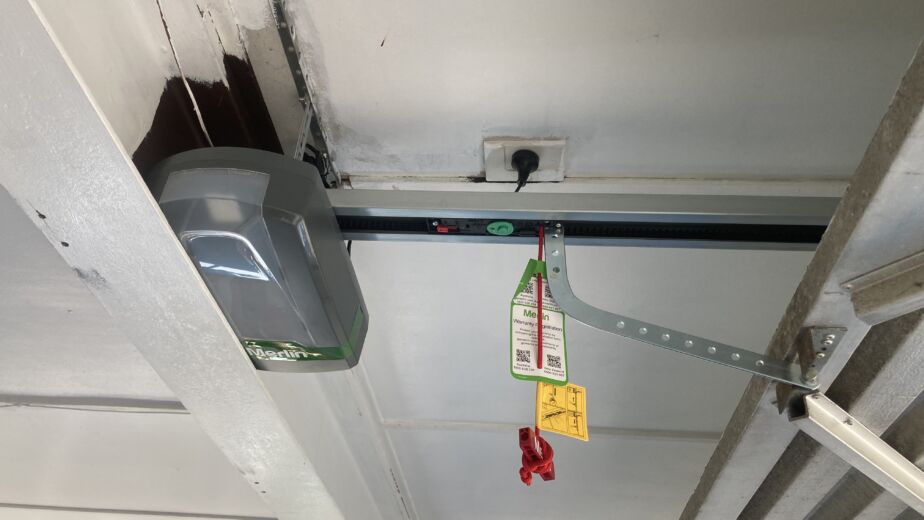
- Automatic opener operation
If we identify a worn or damaged component, we can explain the condition and recommend whether adjustment, maintenance or replacement is appropriate.
Regular garage door maintenance can help keep your door safe, balanced, quiet and reliable, while reducing the risk of unexpected breakdowns and costly secondary damage.
If your garage door has not been inspected for several years, contact Eden Garage Doors to arrange a maintenance inspection.